
Free-fall 2.0
Experiencing free-fall... better, faster, stronger
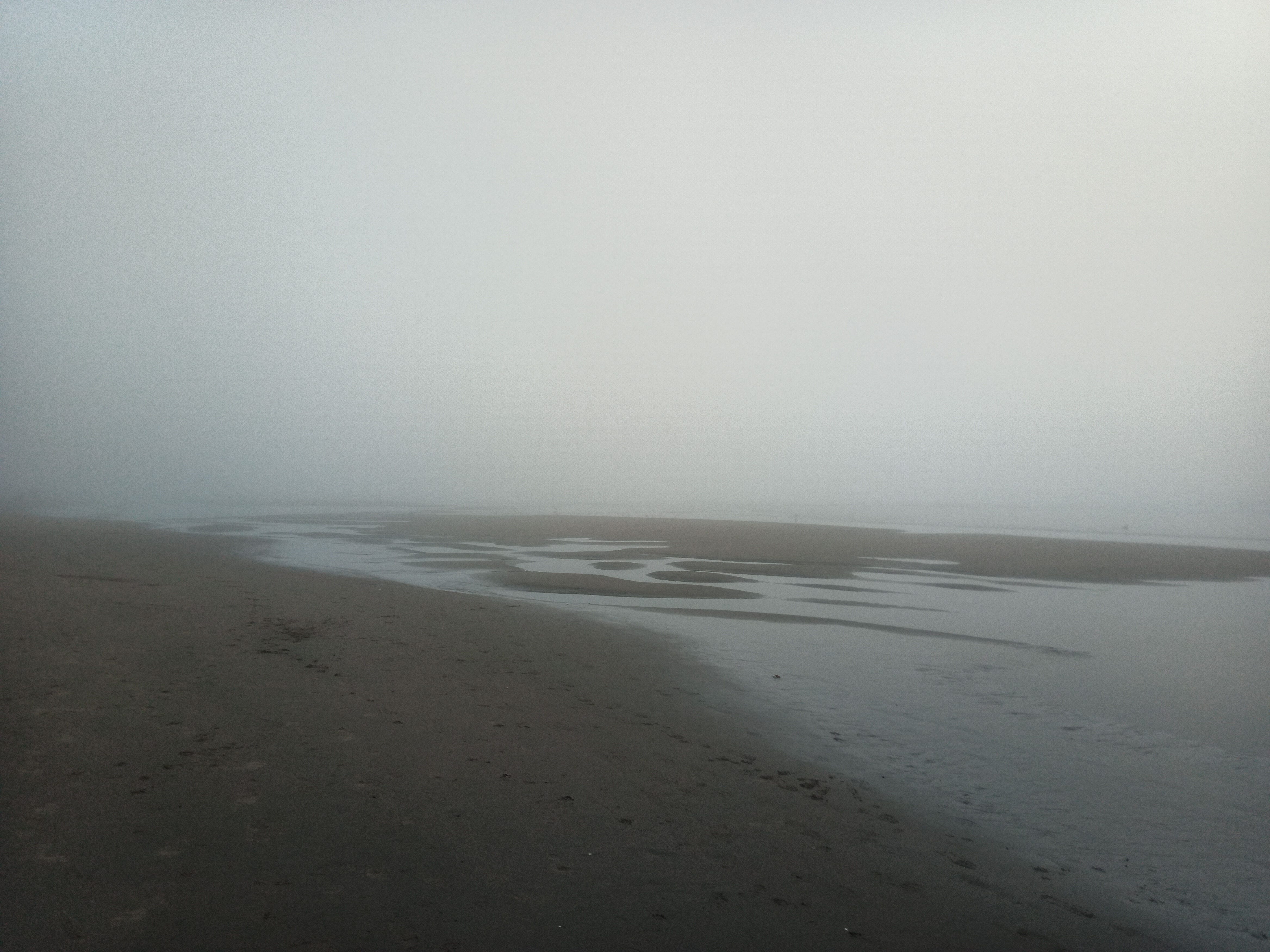
This past week I’ve had conversations with several of you—all in early stages of independent ventures—who are in some sort of free-fall 2.0. You’re experiencing the emotions of a free-fall—that unmoored sensation pushing you to question everything about yourself and what you’re doing—yet, you’ve built up enough self-knowledge to experience it more like a rollercoaster ride you forgot you were on than a horrifying free float through space that may never end. More frenetic (to use one of your words) than truly threatening.
For me, a big difference between free-fall 1.0 and free-fall 2.0 is a clearer understanding of myself. For example, I have a better sense of the triggers—actions and habits that almost invariably push me into unproductive mental territories (i.e. spending >5 min on LinkedIn, dropping my morning routine, not moving, not eating). I can also better recognize the signs that I’m in unproductive mental territory: “Everyone hates me!”, “I’m letting everyone down!” If you’re the type of person who has these kinds of thoughts, I guarantee that they are not true — but they are probably signs that an adjustment is called for.
My guess is that free-fall 2.0s are an inevitable part of going independent, especially when you are pushing up against a tired status quo. The free-falls are never comfortable, but you start seeing them coming. And slowly, over time, if you stay grounded in your internal compass and the bigger picture, they seem to become less and less threatening. See above and below for the Ocean Beach version of free-fall 2.0—so foggy you feel lost, but the eerie beauty reassures you that you’re on the right path.
My ongoing theory is that emotions are the body’s way of communicating with us: reminding us to connect with others and recalibrate. We so often discount emotions as evidence of our own weakness, but what if they’re simply biological messages to be received and acted upon? Maybe the real learning is how to pay attention well enough to listen to the messages and trust yourself enough to course-correct back into alignment.
A few things that have helped me:
Continual development and study of my internal compass. Here’s a relevant conversation between Ezra Klein and Kyle Chayka that speaks to discovering your own sense of taste:
Identifying 1-2 free-fall buddies to text/call during free-falls. A conversation with a good free-fall buddy feels safe, reminds you of who you are/helps you better understand who you are, and leaves you feeling empowered and grounded.
Learning about and from others’ creative processes. A big contributor to free-fall is the transition from a well-worn, “safe” path (i.e. pre-med, med, residency, fellowship), where cause seems so well-tied to effect, to the uncharted frontier of your own life, a blank canvas. Where to start? Where is the beginning? Where is the end? Where did the checkboxes go?
Watching documentaries about creative process has helped me remember that there are no recipes or formulas that guarantee “success.” Many of the people who have advanced our knowledge and culture the most have had to learn to trust themselves and their process, often in the face of immense inertia, to change the status quo. And you already know that I think the definition of “success” should be personal, not externally-defined.
I recently watched SCORE: a Film Music Documentary (below) and would recommend it as an inspiring glimpse into creative process—not only the ethereal, intuitive side but also the day-to-day “show up and work” side.
Life keeps chugging along at a steady, beautiful hyper-drive.
Colin’s mom is on the other side of an autologous stem cell transplant. After 3+ weeks in the hospital and experiencing discomfort I cannot fathom, she is at home feeling much better.
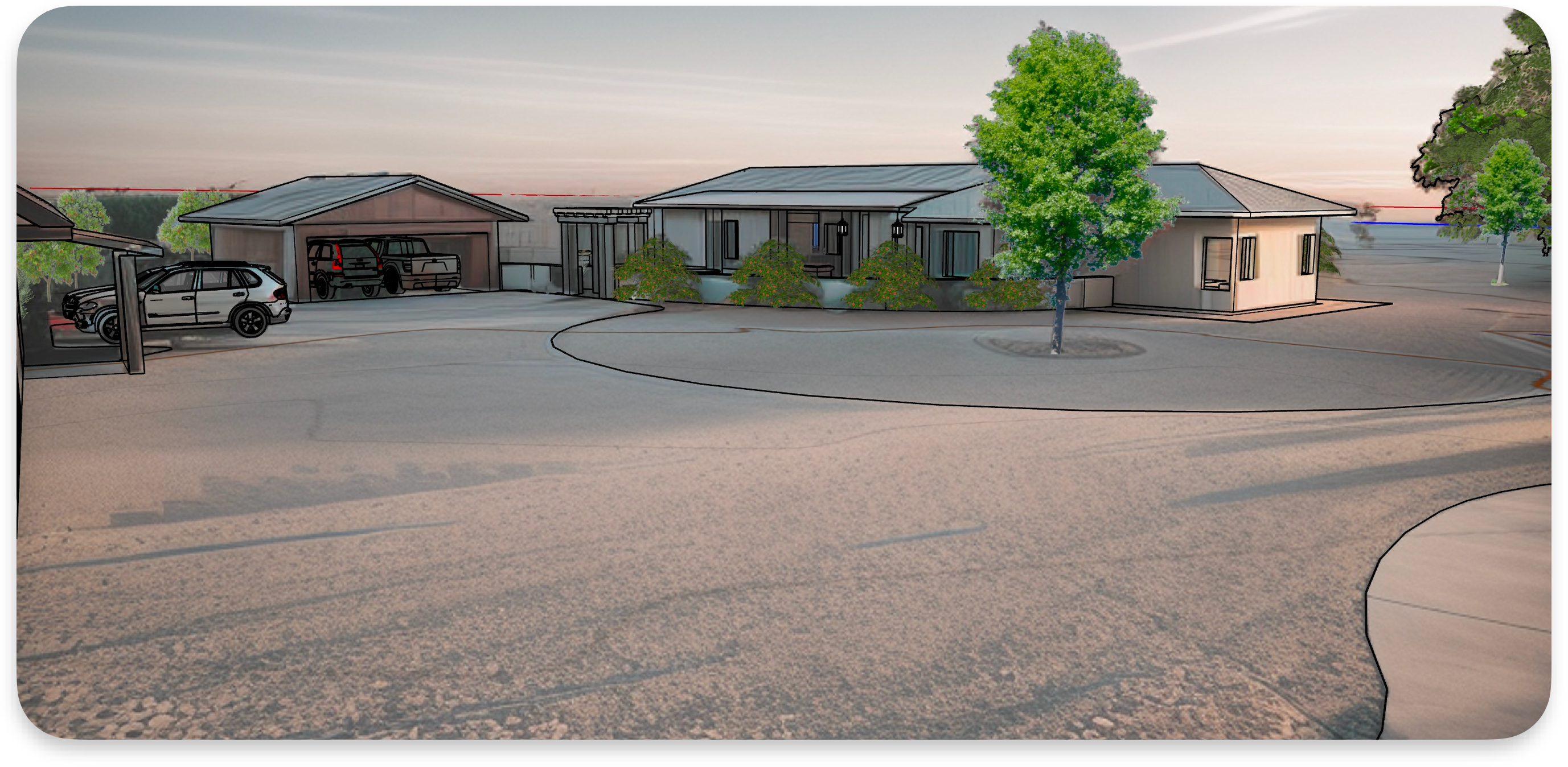
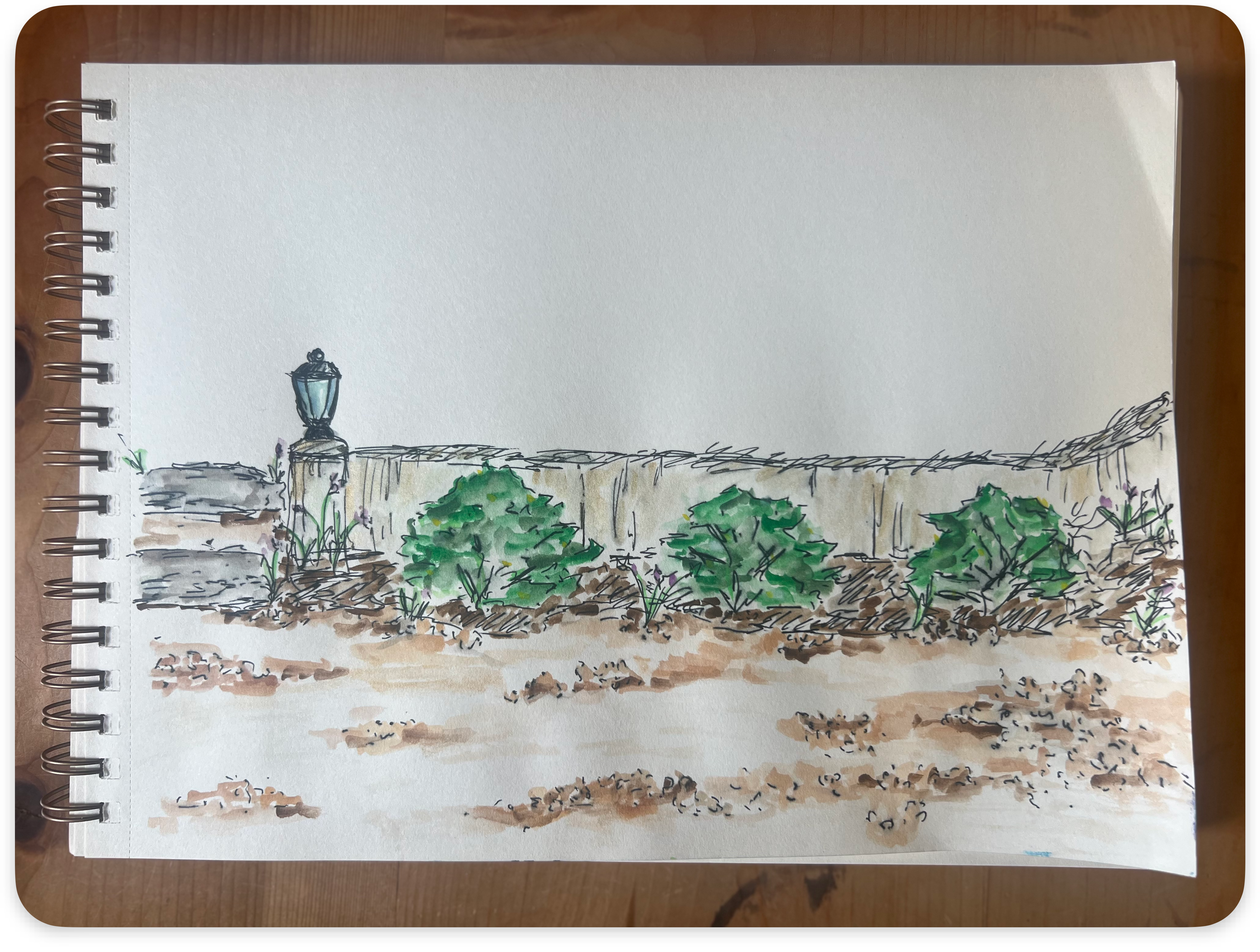
We’re in the midst of getting our building plans approved by our neighborhood committee with the goal of breaking ground in Spring 2025. We’re continuing to flesh out our visions: Colin is using CAD and AI, and I am using paper, pen, and paint. See below. More updates to come.
Canyon Oak’s fungal network is budding, and I’m working to create scaffolding to support grounded, sustainable growth. We are starting to experiment with ways to foster independent thought and meaningful conversation focused on the purposeful design of independent practices.
I have started taking initial steps towards setting up the legal infrastructure for my direct pay micro-practice. Finding a lawyer with relevant expertise in California has been surprisingly challenging, but I am following leads.
As always, thanks for being here. Don’t hesitate to let me know how Canyon Oak can support you.
To the blank canvas,
Michelle